

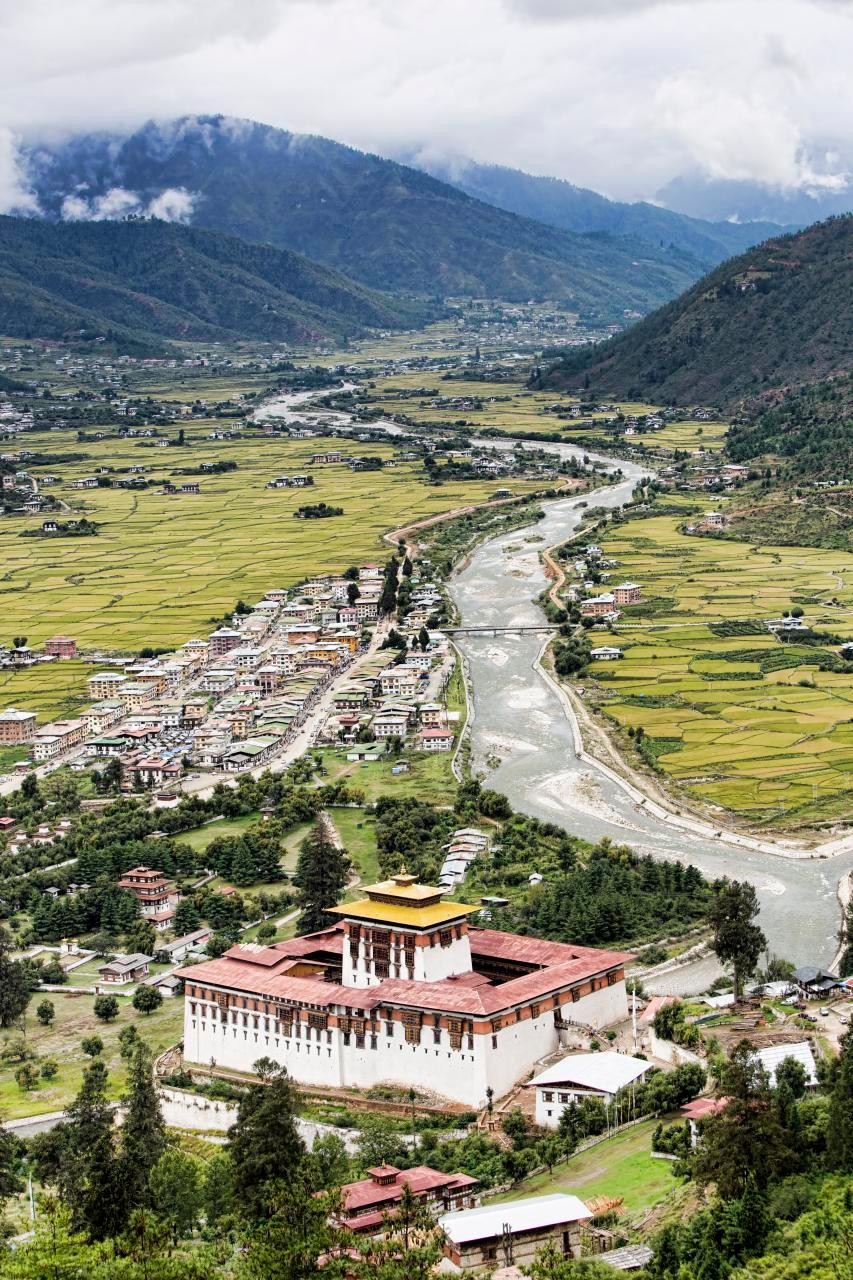
Paro — A Valley Made for Two
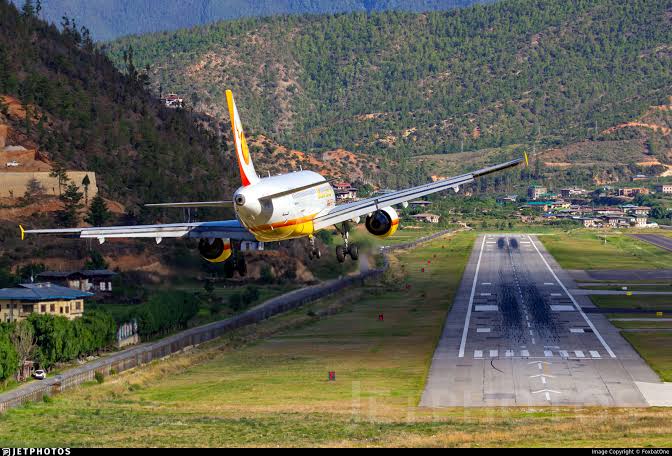
Wander through Paro’s peaceful valley together, surrounded by beautiful mountains, traditional villages, and timeless Bhutanese charm.
Begin your life together in the peaceful Himalayan kingdom of Bhutan, with a journey filled with romance, culture, adventure, and unforgettable scenery. Explore the charming valleys of Paro, Thimphu, Punakha, and Phobjikha, visit ancient monasteries and dzongs, enjoy scenic mountain drives, and experience Bhutanese traditions along the way. Share special moments over a candlelight dinner, dress in traditional Bhutanese attire, enjoy a local farmhouse experience, offer prayers together at Kyichu Lhakhang, and take on the memorable hike to Tiger’s Nest. With beautiful landscapes, meaningful experiences, and plenty of time to simply enjoy each other’s company, this Bhutan honeymoon is a journey made for two.
Wander through Paro’s peaceful valley together, surrounded by beautiful mountains, traditional villages, and timeless Bhutanese charm.
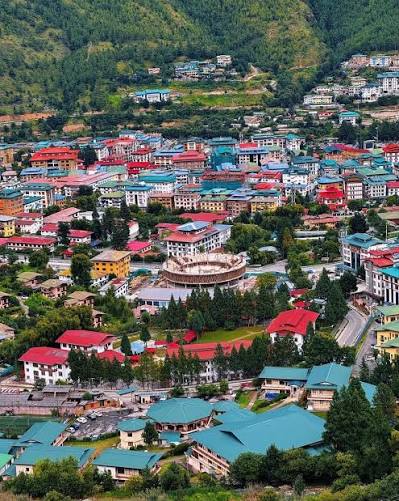
Explore Bhutan’s capital together, discovering local culture, colourful markets, and beautiful mountain views.
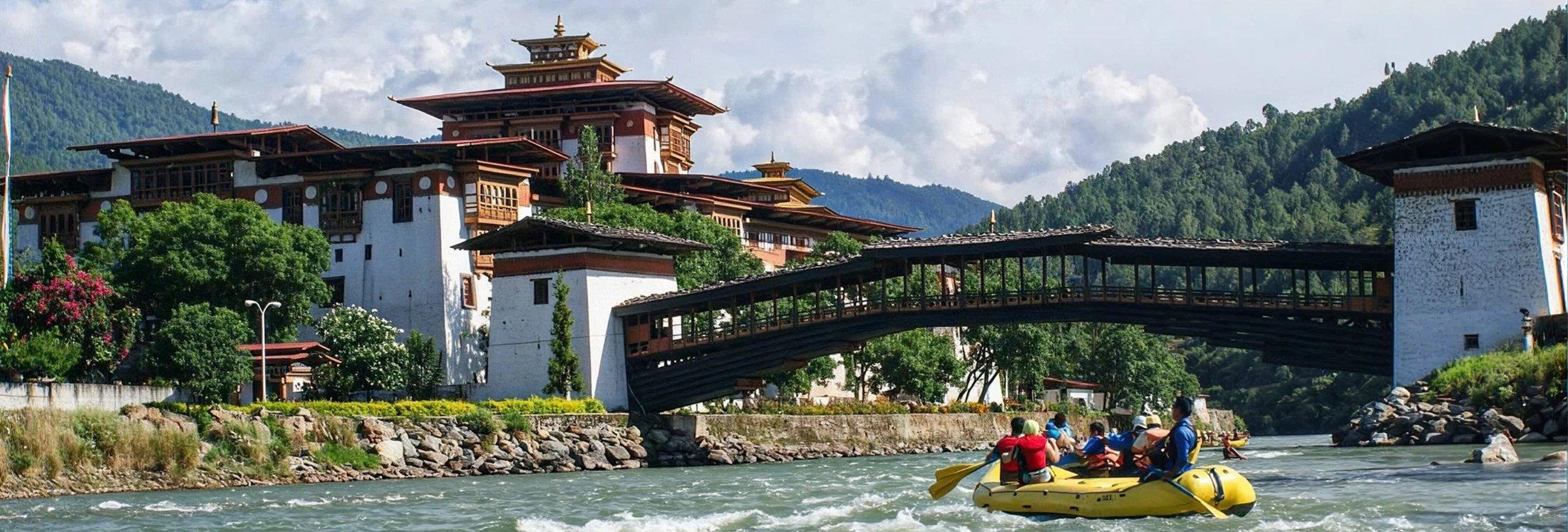
Enjoy a beautiful drive through the mountains, with winding roads, lush valleys, and breathtaking views along the way.
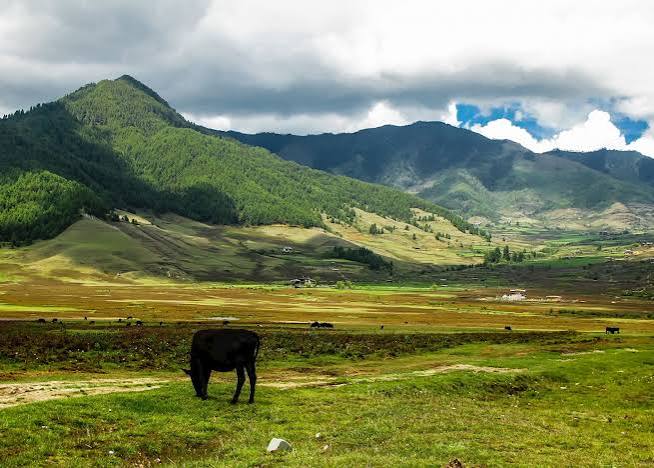
Slow down and enjoy quiet moments together in this beautiful valley, surrounded by rolling hills and stunning Himalayan scenery.
Day by Day
Arrive in Bhutan, the Land of the Thunder Dragon, where our team will warmly welcome you at Paro International Airport with a traditional khadhar. From here, enjoy a scenic drive to Thimphu, following beautiful rivers, charming villages, and mountain landscapes. Along the way, stop at "Tachogang Lhakhang" for a short walk and visit "Chuzom", where the Paro and Thimphu rivers meet. To make your arrival extra special, enjoy a romantic "candlelight dinner with a complimentary cake and local wine", arranged especially for the two of you. One of our team members will also join to welcome you to Bhutan. "Overnight in Thimphu (2,400m)."
After breakfast, we’ll spend the day exploring "Thimphu", Bhutan’s capital, where modern life blends naturally with its traditional character. Visit the impressive "Buddha Dordenma", meet Bhutan’s unique national animal at the "Takin Preserve", and drive up to "Sangaygang Viewpoint" for beautiful views across the valley. If time allows, take a relaxed walk around Thimphu, browse local handicrafts and souvenirs, or simply enjoy the city at your own pace. "Overnight in Thimphu."
After breakfast, we’ll take a scenic two-hour drive from "Thimphu to Punakha", crossing the beautiful "Dochula Pass". Stop here to enjoy the panoramic Himalayan views and the peaceful setting of the 108 chortens before descending into the warmer Punakha Valley. In Punakha, visit the magnificent "Punakha Dzong", beautifully set between the Pho Chhu and Mo Chhu rivers (male and Femail river), followed by a walk across the "Punakha Suspension Bridge" for lovely valley views and a glimpse of local village life. The evening is free to relax and enjoy Punakha at your own pace. "Overnight in Punakha"
After breakfast, we’ll take a scenic three-hour drive from "Punakha to Phobjikha:, passing through Wangdue, beautiful forests, villages, waterfalls, and Pelela Pass before reaching the peaceful valley. Visit "Gangtey Monastery", set beautifully on a hilltop, and enjoy the gentle "Gangtey Nature Trail", a scenic two-hour walk through forests and villages. We’ll also stop at the "Black-Necked Crane Information Centre" to learn about these special winter visitors and, if we’re lucky, spot them through the viewing scopes. In the evening, enjoy a delicious and authentic "Bhutanese dinner at a local farmhouse". Overnight in Phobjikha (2,900m).
After breakfast, we’ll say goodbye to peaceful Phobjikha and make our way back to "Paro", a scenic five-hour drive through Pelela, Wangdue, Dochula, and Chuzom. Along the way, enjoy the changing Himalayan landscapes and stop at "Tachogang" to hang prayer flags and offer a prayer for your journey together. Once in Paro, spend some time by the riverside, capture a few photos together, and visit "Rinpung Dzong", the "National Museum", and the 'Paro Airport Viewpoint". If time allows, take a relaxed walk through "Paro Town", browse local handicrafts, or try traditional Bhutanese dress and archery. Overnight in Paro (2,200m).
Good to Know
There are 19 languages spoken in Bhutan, but the national language is Dzongkha. English is used throughout Bhutan’s education system, so it is widely used and understood.
Bhutan is a year-round destination. There are four seasons: summer (June to August), autumn (September to November), winter (December to February) and spring (March to May). But because of the range of altitudes in the country, and the influence of the north Indian monsoons, the climate is incredibly varied. In the south, the humid, subtropical climate is fairly consistent year-round, with temperatures between 15oC and 30oC. Central Bhutan, with its temperate forests, has a more seasonal climate, with warm summers and cool, dry winters. The northern regions are much colder during winter. Because of the high altitude, mountain peaks are snowy year-round and the lower reaches remain cool in summer. In summer, the Indian monsoon season runs from late June or July to late September, mostly affecting the southern regions. Most farming activities take place in the summer, when crops thrive in verdant landscapes. Autumn, from late September or early October to late November, follows the rainy season. It is characterised by bright, sunny days and some early snowfall at higher elevations. It’s the season of feasts and festivals as farmers reap the fruits of their work. From late November until March, the crisp, clear and sunny winter sets in, with frost throughout much of the country and snowfall common above elevations of 3,000 metres. The winter northeast monsoon brings gale-force winds at the highest altitudes through high mountain passes, giving Bhutan the name Drukyul, which means Land of the Thunder Dragon in Dzongkha (Bhutan’s national language). Bhutan’s generally dry spring starts in early March and lasts until mid-April. It is a botanist’s delight, with nature in full bloom. Summer weather commences in mid-April with occasional showers and continues to late June.
For telephone calls, Bhutan’s country code is +975. Make sure you add this to the beginning of any number if calling Bhutan from abroad.

