
Guided Birdwatching & Wildlife Encounters
Discover Bhutan’s rich birdlife and diverse wildlife with knowledgeable local guides.


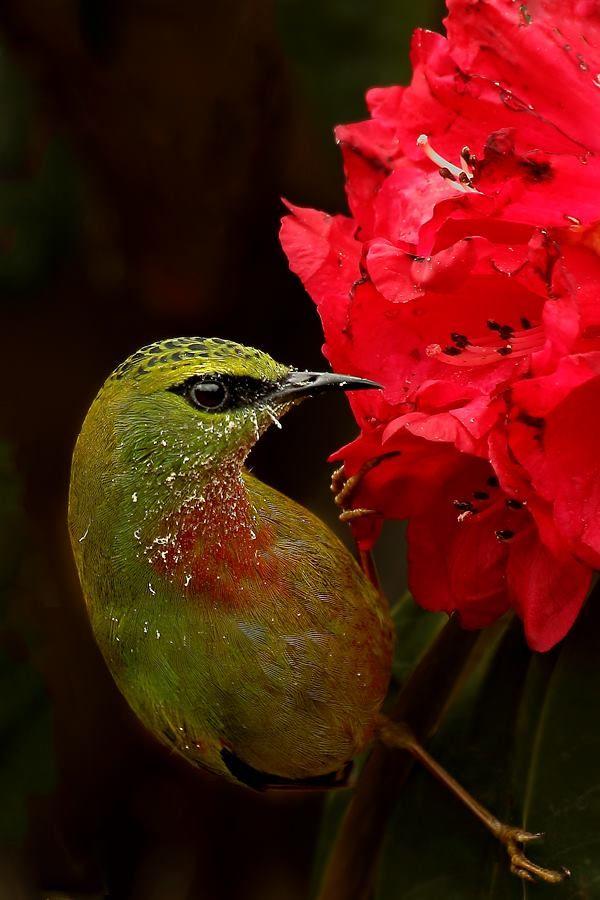

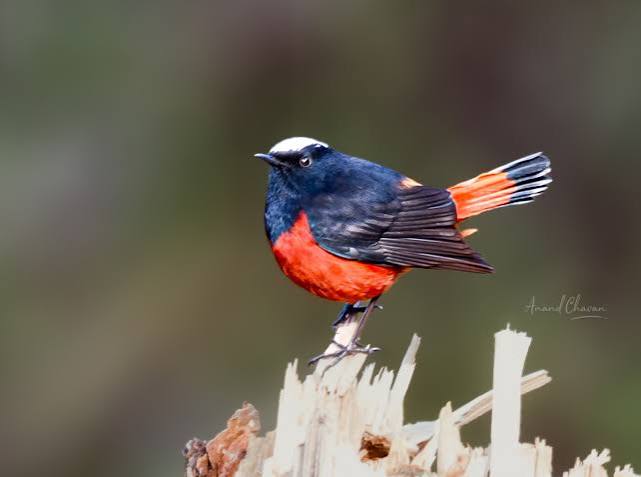
Discover Bhutan’s remarkable birdlife, with more than 736 to 774+ species found across its diverse landscapes. From the endangered black-necked cranes of Phobjikha Valley to the rare Beautiful Nuthatch, Blyth’s Kingfisher, and majestic Imperial Heron, Bhutan offers exceptional opportunities for birdwatching. Journey through lush forests, peaceful valleys, and subtropical habitats, each home to a rich variety of bird species. With its extraordinary biodiversity and unspoiled natural surroundings, Bhutan promises a memorable experience for birdwatchers and nature enthusiasts alike.
Discover Bhutan’s rich birdlife and diverse wildlife with knowledgeable local guides.
Journey through pristine forests, scenic valleys, and diverse ecosystems of the Eastern Himalayas.
Meet local communities, enjoy traditional farmhouse meals, and discover how nature shapes everyday Bhutanese life.
Visit sacred monasteries, hike to the iconic Tiger’s Nest, and unwind with a traditional Bhutanese hot stone bath.
Day by Day
Upon arrival at Paro International Airport, your guide and driver will welcome you and transfer you to your hotel. In the afternoon, enjoy a birdwatching excursion along the Pa Chhu River, where you may spot waterbirds such as the Ibisbill, Brown Dipper, White-capped Water Redstart, River Lapwing, and Plumbeous Water Redstart. Overnight: Hotel in Paro
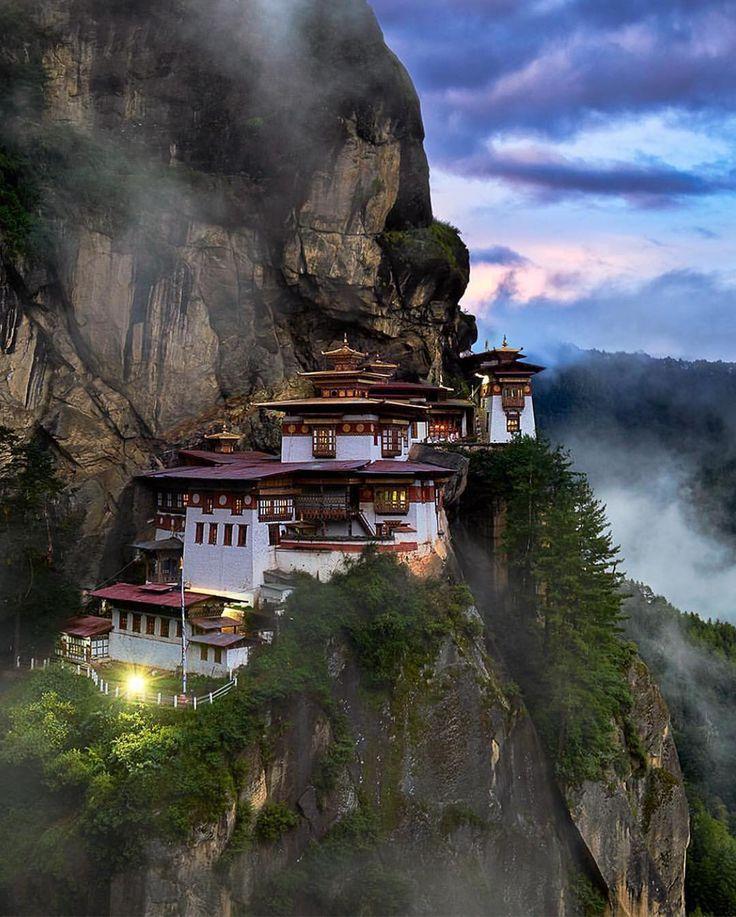
After breakfast, set out to explore Paro’s top birdwatching spots, including Taktsang Lhakhang, Rinpung Dzong, Kyichu Lhakhang, and Ta Dzong. These locations offer opportunities to observe Bhutan’s diverse birdlife and search for rare and distinctive species in their natural habitats. Overnight: Hotel in Paro
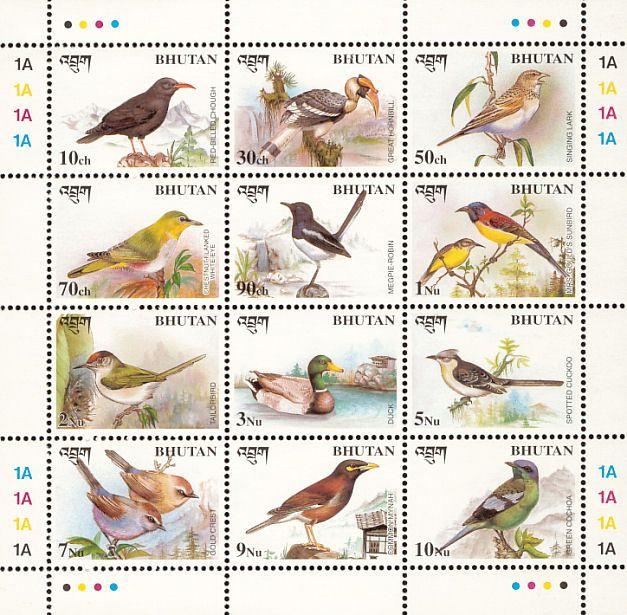
After breakfast, travel to Thimphu, your next destination for birdwatching. Explore the area in search of distinctive species such as the Laughingthrush, Fire-capped Tit, Yellow-backed Flowerpecker, and Maroon-backed Accentor. You can also browse local shops for Bhutanese bird stamps, traditionally considered auspicious keepsakes. Along the way, admire Thimphu’s distinctive architecture and cultural landmarks before returning to your hotel in the evening. Overnight: Hotel in Thimphu
After breakfast, travel towards Punakha, stopping at Dochula Pass to enjoy panoramic views of the eastern Himalayas and search for birds such as the Rufous-breasted Bush Robin, Fire-tailed Myzornis, Black-eared Shrike-Babbler, Grey-winged Blackbird, and Gold-billed Magpie. Continue to Punakha Dzong, where you may spot the White-breasted Kingfisher, Black-chinned Yuhina, and Large Grey Babbler while exploring this impressive fortress. Later, proceed to Wangdue Phodrang and check in to your hotel for the night. Overnight: Hotel in Wangdue Phodrang
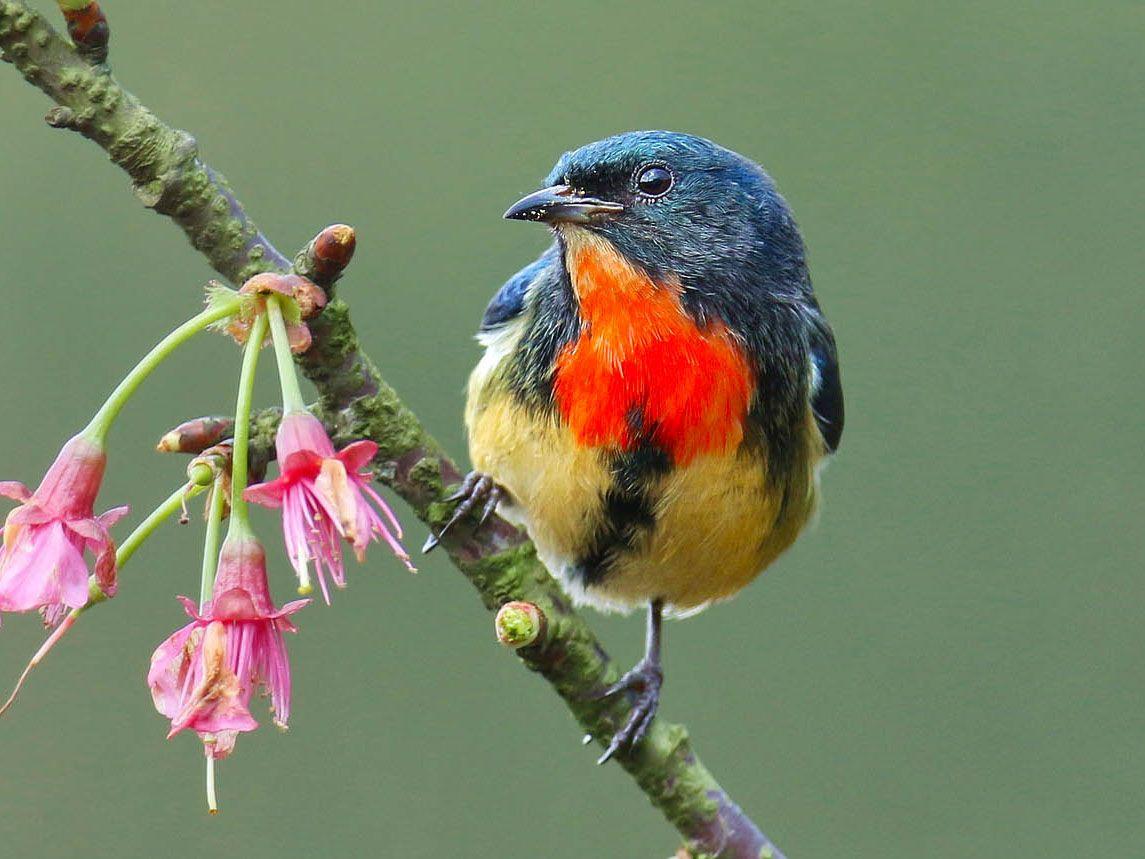
After breakfast, journey towards Gangtey through the scenic Black Mountain region, keeping an eye out for bird species such as the Fire-breasted Flowerpecker, Amur Falcon, and Red-headed Bullfinch along the way. Upon arrival in Gangtey, check in to your hotel and spend the rest of the day exploring the peaceful surroundings or relaxing at your leisure. Overnight: Hotel in Gangtey
Moments
Good to Know
There are 19 languages spoken in Bhutan, but the national language is Dzongkha. English is used throughout Bhutan’s education system, so it is widely used and understood.
Bhutan is a year-round destination. There are four seasons: summer (June to August), autumn (September to November), winter (December to February) and spring (March to May). But because of the range of altitudes in the country, and the influence of the north Indian monsoons, the climate is incredibly varied. In the south, the humid, subtropical climate is fairly consistent year-round, with temperatures between 15oC and 30oC. Central Bhutan, with its temperate forests, has a more seasonal climate, with warm summers and cool, dry winters. The northern regions are much colder during winter. Because of the high altitude, mountain peaks are snowy year-round and the lower reaches remain cool in summer. In summer, the Indian monsoon season runs from late June or July to late September, mostly affecting the southern regions. Most farming activities take place in the summer, when crops thrive in verdant landscapes. Autumn, from late September or early October to late November, follows the rainy season. It is characterised by bright, sunny days and some early snowfall at higher elevations. It’s the season of feasts and festivals as farmers reap the fruits of their work. From late November until March, the crisp, clear and sunny winter sets in, with frost throughout much of the country and snowfall common above elevations of 3,000 metres. The winter northeast monsoon brings gale-force winds at the highest altitudes through high mountain passes, giving Bhutan the name Drukyul, which means Land of the Thunder Dragon in Dzongkha (Bhutan’s national language). Bhutan’s generally dry spring starts in early March and lasts until mid-April. It is a botanist’s delight, with nature in full bloom. Summer weather commences in mid-April with occasional showers and continues to late June.
For telephone calls, Bhutan’s country code is +975. Make sure you add this to the beginning of any number if calling Bhutan from abroad.


