
Experience the vibrant Thimphu Tshechu
witness colorful masked dances and capture the spirit of this celebrated Bhutanese festival.


Experience Bhutan at its most vibrant during the Thimphu Tshechu Festival (Captial of Bhutan), held at the historic Tashichho Dzong in the capital. Watch colorful masked dances, traditional music, and locals dressed in their finest traditional attire as centuries-old traditions come to life. Beyond the festival, explore Bhutan’s heritage, connect with local communities, and experience the culture and landscapes that make this journey truly memorable.
witness colorful masked dances and capture the spirit of this celebrated Bhutanese festival.
visit ancient monasteries, historic dzongs, and traditional villages while experiencing authentic rural life.
enjoy a traditional Bhutanese farmhouse dinner and meet welcoming local families.
trek to the iconic Paro Taktsang, dramatically perched on a cliffside, and relax afterward with a traditional hot stone bath.
Day by Day
Meet your guide at Paro International Airport and begin your Bhutan journey. After lunch, explore Paro with visits to Ta Dzong Museum and Rinpung Dzong, home to beautiful traditional paintings, including those depicting the great saint Milarepa. Later, drive along the Pa Chhu River to Thimphu, Bhutan’s capital. In the evening, enjoy a brief orientation on Bhutanese etiquette before dinner and your overnight stay in Thimphu.
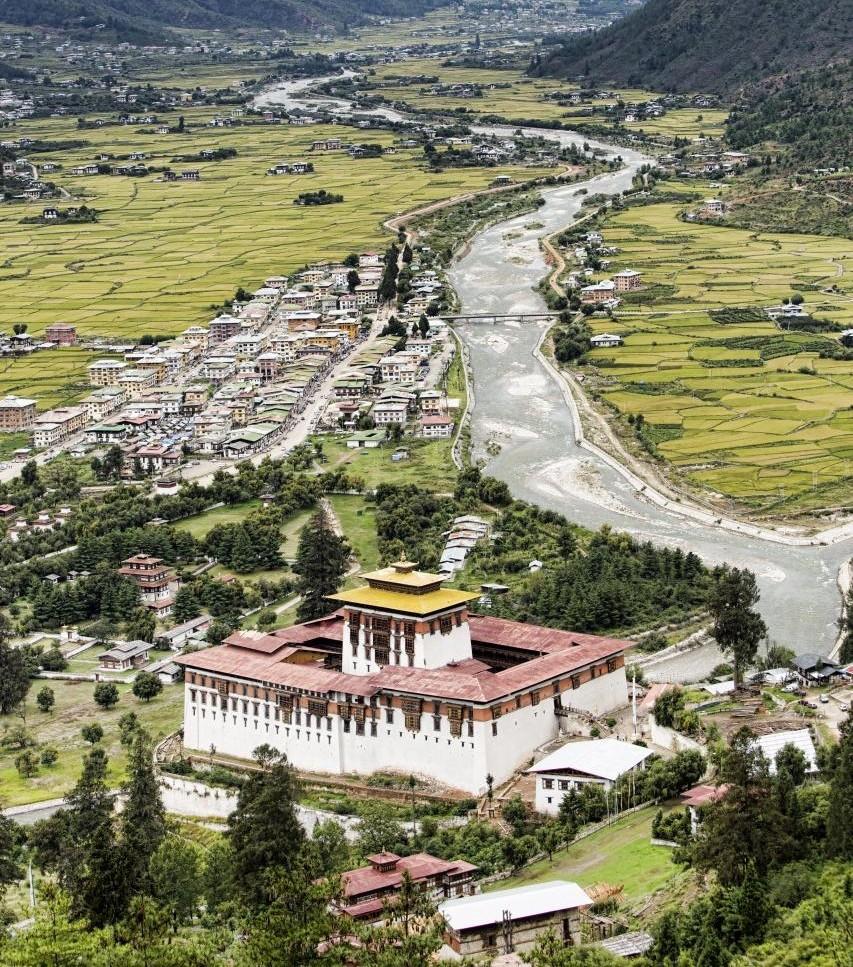
After breakfast, head to Tashichho Dzong to experience the vibrant Thimphu Tshechu Festival. Witness colorful masked dances, traditional performances, and locals dressed in their finest traditional attire as they gather from across the region to celebrate this important Bhutanese festival.
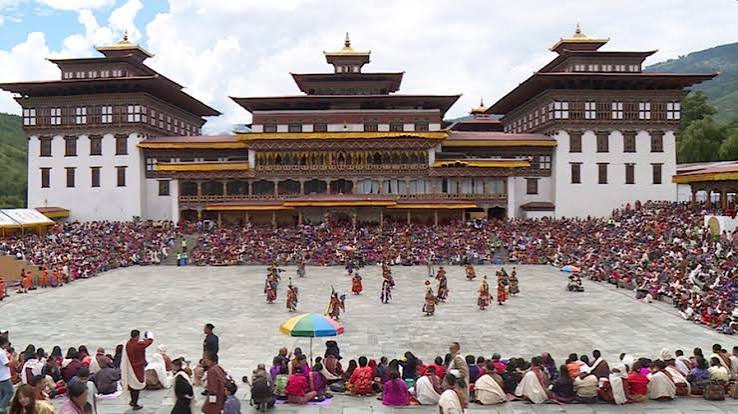
Start the morning with a visit to Changangkha Temple, a historic 12th-century temple, followed by the National Memorial Chorten, known for its beautiful Buddhist paintings and statues. In the afternoon, return to Tashichho Dzong to continue experiencing the vibrant dances, music, and celebrations of the Thimphu Tshechu.
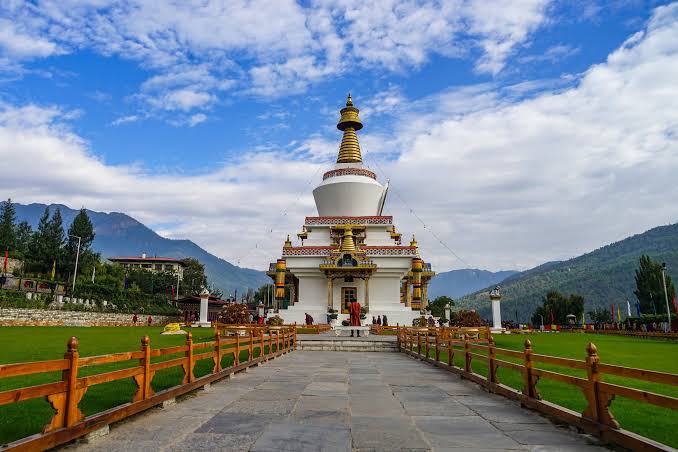
Drive across the scenic Dochu La Pass (3,100m), with stunning Himalayan views on clear days, before descending into the warm Punakha Valley. Visit the magnificent Punakha Dzong, known as the “Palace of Great Happiness,” before lunch. In the afternoon, take a pleasant walk to Chimi Lhakhang, the temple of Drukpa Kuenley, known as the Divine Madman.
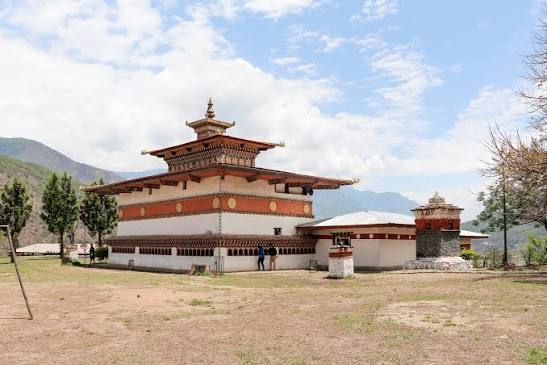
Begin with a short drive to Yabesa Village, followed by a scenic hike through rice fields to Khamsum Yulley Namgyal Chorten, built under the patronage of Her Majesty Queen Ashi Tshering Yangdon Wangchuck. Return to Thimphu and visit the National Library, home to a valuable collection of Bhutanese scriptures, followed by the Folk Heritage Museum and its traditional farmhouse. Continue to Paro and check into your hotel for the evening.
Moments
Good to Know
There are 19 languages spoken in Bhutan, but the national language is Dzongkha. English is used throughout Bhutan’s education system, so it is widely used and understood.
Bhutan is a year-round destination. There are four seasons: summer (June to August), autumn (September to November), winter (December to February) and spring (March to May). But because of the range of altitudes in the country, and the influence of the north Indian monsoons, the climate is incredibly varied. In the south, the humid, subtropical climate is fairly consistent year-round, with temperatures between 15oC and 30oC. Central Bhutan, with its temperate forests, has a more seasonal climate, with warm summers and cool, dry winters. The northern regions are much colder during winter. Because of the high altitude, mountain peaks are snowy year-round and the lower reaches remain cool in summer. In summer, the Indian monsoon season runs from late June or July to late September, mostly affecting the southern regions. Most farming activities take place in the summer, when crops thrive in verdant landscapes. Autumn, from late September or early October to late November, follows the rainy season. It is characterised by bright, sunny days and some early snowfall at higher elevations. It’s the season of feasts and festivals as farmers reap the fruits of their work. From late November until March, the crisp, clear and sunny winter sets in, with frost throughout much of the country and snowfall common above elevations of 3,000 metres. The winter northeast monsoon brings gale-force winds at the highest altitudes through high mountain passes, giving Bhutan the name Drukyul, which means Land of the Thunder Dragon in Dzongkha (Bhutan’s national language). Bhutan’s generally dry spring starts in early March and lasts until mid-April. It is a botanist’s delight, with nature in full bloom. Summer weather commences in mid-April with occasional showers and continues to late June.
For telephone calls, Bhutan’s country code is +975. Make sure you add this to the beginning of any number if calling Bhutan from abroad.
Keep Exploring


