Chapter Bhutan
My BookingBook Now
HomeToursAboutSDF PolicyFAQContact

Chapter Bhutan

Bhutan’s premier concierge travel service. Dedicated to providing authentic and sustainable travel experiences in the Land of the Thunder Dragon.

Explore

  • Our Tours
  • Culture & Traditions
  • Festival Journeys
  • About Us

Resources

  • Sustainable Development Fee
  • Traveller FAQ
  • Contact
  • Manage your booking
  • Terms of Service
  • Privacy Policy
  • Staff sign in

Contact Us

  • Thimphu, Kingdom of Bhutan
  • hello.chapterbhutan@gmail.com
  • +975 17697730

© 2026 Chapter Bhutan Tours & Treks. All rights reserved.

Licensed tour operator, Department of Tourism, Bhutan.

Home/Tours/Festival Journeys/Trongsa Tsechu

Trongsa Tsechu

Trongsa Tsechu
  • 11 Days / 10 Nights
  • Paro-Thimphu-Punakha-Bumtang-Trongsa
  • English Speaking Guide
  • Easy
  • January 5–9, 2028
AllItineraryGalleryFAQ

Tour Overview

Trongsa Festival Tours Experience the vibrant traditions of Bhutan during the Trongsa Tshechu, one of the country's oldest annual festivals, held over three days in the courtyard of Trongsa Choekor Rabtse Dzong. Believed to be the origin of many festivals across Bhutan, it offers a unique glimpse into the country's rich cultural heritage. Beyond the festival, explore scenic countryside, meet local communities, and discover Bhutan's beautiful temples, monasteries and historic fortresses.

Experience Trongsa Tshechu

Witness sacred masked dances, traditional performances and the unveiling of the sacred Thongdrol at one of Bhutan's oldest festivals.

Explore Bhutan's Historic Fortresses

Discover magnificent Trongsa Dzong, Punakha Dzong and ancient monasteries rich in Bhutanese history.

Discover Bhutan's Spiritual Heartland

Visit Bumthang's sacred temples, including Jambay Lhakhang, Kurjey Lhakhang and Tamshing Lhakhang.

Journey Through Scenic Himalayan Landscapes

Travel across Dochula and Yotong La passes, explore traditional villages and enjoy the natural beauty of Phobjikha and Punakha.

Day by Day

Daily Itinerary

  1. 01

    Welcome to Bhutan – Paro to Thimphu

    Welcome to Bhutan! Upon arrival at Paro International Airport, your guide will greet you with a traditional khadar welcome before setting off for Thimphu. Enjoy a scenic drive through the countryside, passing charming villages, rivers, and mountain views along the way. Stop at Tachogang Lhakhang for a short walk and a glimpse of the peaceful Paro River. Continue to Chuzom, where the Paro and Thimphu rivers meet, marking the crossroads to Thimphu, Paro, and Phuentsholing. If time allows, take a leisurely stroll through Thimphu, explore local handicraft shops, or simply enjoy the charm of Bhutan’s capital as you settle into your first day in the kingdom. Overnight: Thimphu (2,400 m)
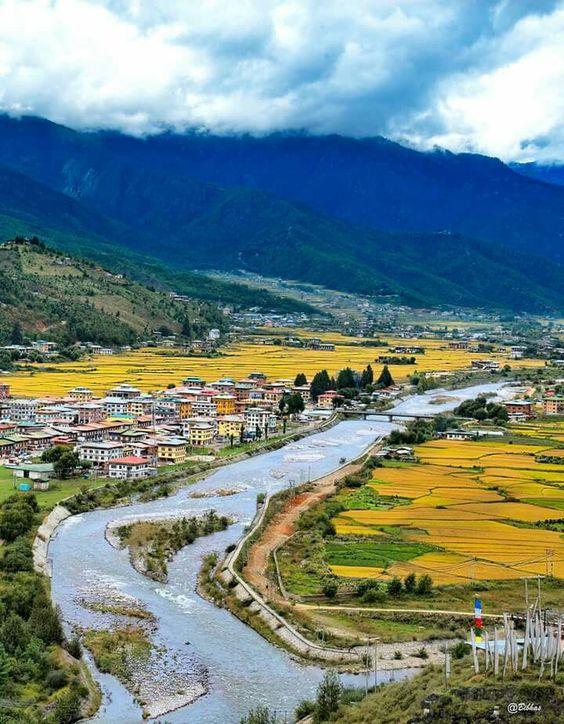
    Welcome to Bhutan – Paro to Thimphu
  2. 02

    Discover Thimphu

    Explore Thimphu, where Bhutanese traditions blend with modern city life. Visit the magnificent Buddha Dordenma overlooking the valley, and discover Bhutan’s traditional arts and crafts at the Arts and Crafts School and Folk Heritage Museum. Browse local handicrafts, witness a traditional archery match, and explore the Centenary Farmers’ Market, filled with fresh produce and local treasures. End the day with a leisurely stroll around Clock Tower Square, the heart of Thimphu. Overnight: Thimphu
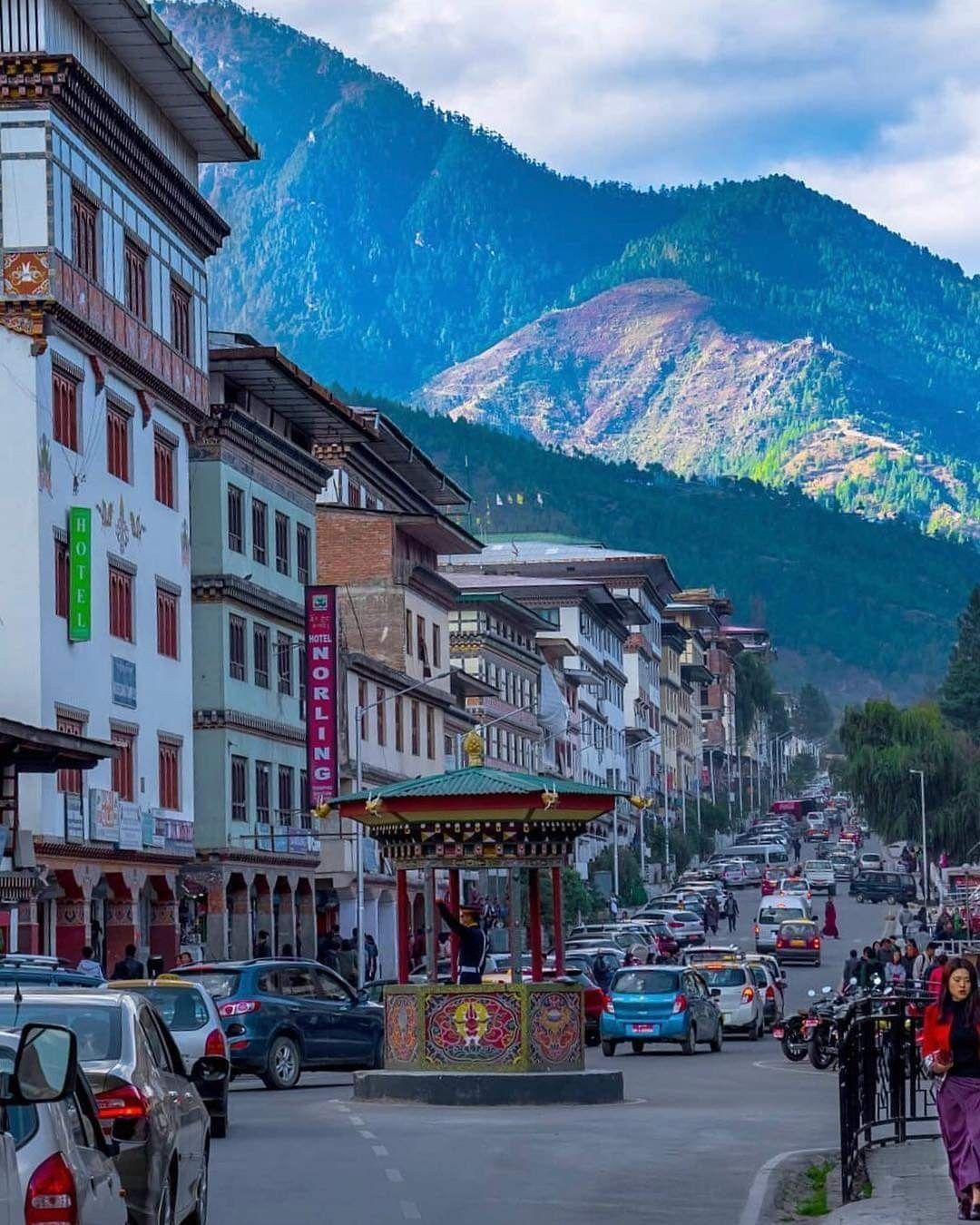
    Discover Thimphu
  3. 03

    Thimphu to Punakha

    Enjoy a scenic drive to Punakha via Dochula Pass, where breathtaking Himalayan views meet the peaceful setting of 108 memorial chortens. Continue downhill through the lush landscapes, with a stop at Lamperi Botanical Park to discover its rich variety of plants and wildlife. In Punakha, visit the magnificent Punakha Dzong, beautifully situated at the meeting point of the Pho Chhu and Mo Chhu rivers. Take a short walk across the Punakha Suspension Bridge, one of Bhutan’s longest, and enjoy views of the river and surrounding villages. Overnight: Punakha (1,350 m)
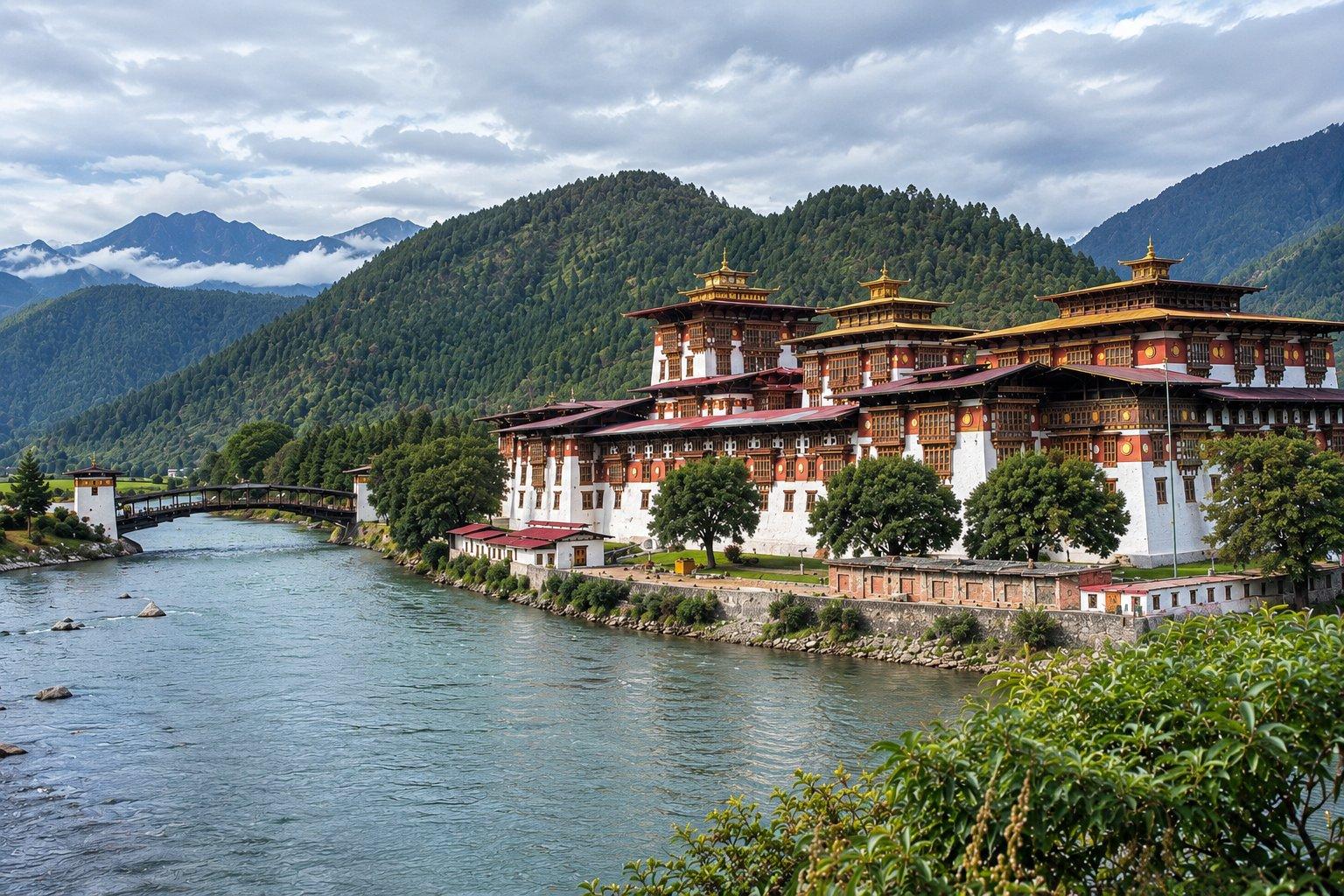
    Thimphu to Punakha
  4. 04

    Punakha to Trongsa

    Enjoy a scenic drive through Bhutan’s beautiful mountain landscapes, passing lush forests and traditional villages. Stop at Chendebji Chorten, a Nepalese-style stupa built to ward off evil spirits. Continue to Trongsa, the historic heart of Bhutan. Explore the impressive Trongsa Dzong, the country’s largest fortress, followed by Trongsa Ta Dzong, now home to the Royal Heritage Museum, showcasing Bhutanese Buddhist art and royal history. If time permits, enjoy a glimpse of the local Trashigang Tshechu celebrations. Overnight: Trongsa (2,200 m)
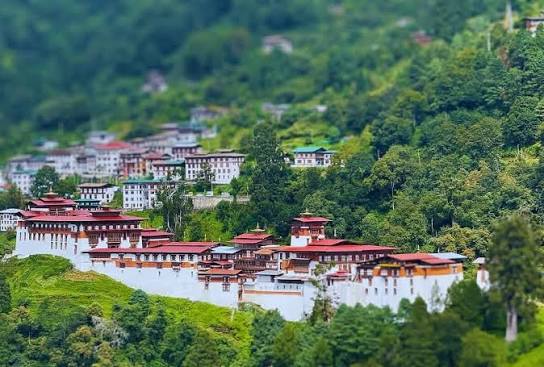
    Punakha to Trongsa
  5. 05

    Experience the Trongsa Tshechu

    Spend the day at Trongsa Dzong witnessing the annual Trongsa Tshechu, one of Bhutan’s oldest and most significant festivals. Experience sacred masked dances, traditional music, and vibrant cultural performances honouring Guru Rinpoche and Bhutan’s Buddhist heritage. On the final day, witness the unveiling of the sacred Thongdrol, a large religious embroidery believed to bring blessings to those who view it. Overnight: Trongsa
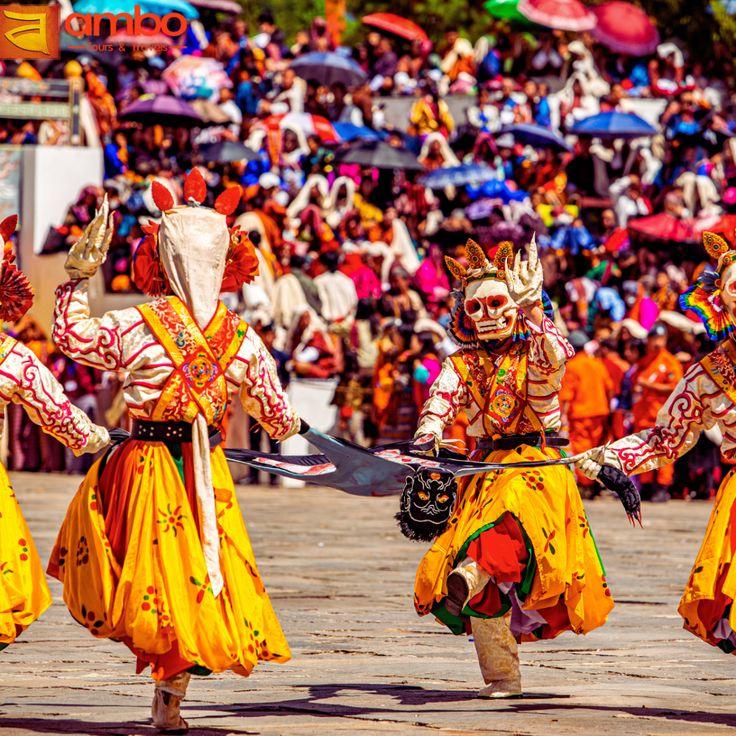
    Experience the Trongsa Tshechu
  6. 06

    Trongsa to Bumthang

    Spend the morning enjoying the final moments of the Trongsa Tshechu before driving to Bumthang after lunch. Travel through scenic mountain landscapes and diverse villages, stopping at Yotong La Pass (3,460 m) for beautiful views and photographs. Along the way, visit the Yatha Wool Weaving Centre, known for its traditional woollen products made from yak hair and sheep wool. Overnight: Bumthang (2,600 m)

    Trongsa to Bumthang
  7. 07

    Discover Bumthang

    Explore Bumthang, Bhutan’s spiritual heartland, known for its ancient temples, monasteries, and traditional Yathra weaving. Visit Jakar Dzong, followed by Jambay Lhakhang, one of Bhutan’s oldest temples, and Kurjey Lhakhang, a sacred site associated with Guru Rinpoche. Continue to Tamshing Lhakhang and Kharchu Dratsang Monastery to discover the valley’s rich Buddhist heritage. Later, visit the Swiss Cheese Farm and Red Panda Brewery to sample locally produced cheese and Bhutan’s native beer (fees applicable). Overnight: Bumthang

    Discover Bumthang
  8. 08

    Bumthang to Phobjikha (5–6 hrs drive)

    Depart early from Bumthang, passing through Yotong La, Trongsa, Chendebji and Pele La, with scenic viewpoints along the way. Arrive in Phobjikha, the winter home of the Black-Necked Cranes. Enjoy the Gangtey Nature Trail, an easy 2-hour walk through forests, villages and monasteries, ending near Khewang Lhakhang. Visit the Black-Necked Crane Information Centre, managed by RSPN, to learn about the region and observe these migratory birds through high-powered telescopes. Overnight in Phobjikha (2,900m).

    Bumthang to Phobjikha (5–6 hrs drive)
  9. 09

    Phobjikha to Paro (5 hrs drive)

    Bid farewell to Phobjikha and drive to Paro via Pele La, Wangdue, Dochula and Chuzom, enjoying scenic landscapes and Himalayan views along the way. Visit Gangtey Gompa, a historic hilltop monastery, before exploring Paro's highlights, including Rinpung Dzong, the National Museum, and the Paro Airport Viewpoint. Enjoy a relaxing riverside visit and explore Paro town's local handicraft shops. You can also experience Bhutanese culture through traditional dress, archery and darts at a complimentary activity centre. Overnight in Paro (2,200m).

    Phobjikha to Paro (5 hrs drive)
  10. 10

    Paro Sightseeing

    Explore the beautiful Paro Valley, known for its fertile rice fields, winding river, historic landmarks and charming shops. Visit Taktsang (Tiger’s Nest Monastery), Bhutan’s most iconic sacred site, perched dramatically on a cliff 900 metres above the valley. The hike takes around 2–3 hours each way, depending on your pace. Later, unwind with a traditional Bhutanese Hot Stone Bath, a relaxing experience believed to help ease muscle and joint pain (additional cost). Overnight in Paro.

    Paro Sightseeing
  11. 11

    Departure from Paro

    Enjoy breakfast at your hotel before being transferred to Paro International Airport for your onward flight. Depart Bhutan with lasting memories of its landscapes, culture, spirituality, and the vibrant Gomkora Festival. End of your Bhutan journey.

    Departure from Paro

Good to Know

The Bhutan Experience

What languages are spoken in Bhutan?

There are 19 languages spoken in Bhutan, but the national language is Dzongkha. English is used throughout Bhutan’s education system, so it is widely used and understood.

What is the weather like in Bhutan and when is the best time to visit?

Bhutan is a year-round destination. There are four seasons: summer (June to August), autumn (September to November), winter (December to February) and spring (March to May). But because of the range of altitudes in the country, and the influence of the north Indian monsoons, the climate is incredibly varied. In the south, the humid, subtropical climate is fairly consistent year-round, with temperatures between 15oC and 30oC. Central Bhutan, with its temperate forests, has a more seasonal climate, with warm summers and cool, dry winters. The northern regions are much colder during winter. Because of the high altitude, mountain peaks are snowy year-round and the lower reaches remain cool in summer. In summer, the Indian monsoon season runs from late June or July to late September, mostly affecting the southern regions. Most farming activities take place in the summer, when crops thrive in verdant landscapes. Autumn, from late September or early October to late November, follows the rainy season. It is characterised by bright, sunny days and some early snowfall at higher elevations. It’s the season of feasts and festivals as farmers reap the fruits of their work. From late November until March, the crisp, clear and sunny winter sets in, with frost throughout much of the country and snowfall common above elevations of 3,000 metres. The winter northeast monsoon brings gale-force winds at the highest altitudes through high mountain passes, giving Bhutan the name Drukyul, which means Land of the Thunder Dragon in Dzongkha (Bhutan’s national language). Bhutan’s generally dry spring starts in early March and lasts until mid-April. It is a botanist’s delight, with nature in full bloom. Summer weather commences in mid-April with occasional showers and continues to late June.

What is the international country code?

For telephone calls, Bhutan’s country code is +975. Make sure you add this to the beginning of any number if calling Bhutan from abroad.

Keep Exploring

Similar Journeys

Thimphu Tshechu (October)7 Days • 6 Nights
Festival

Thimphu Tshechu (October)

Experience the vibrant Thimphu Tshechu Festival (Captial of Bhutan), explore Bhutan’s rich heritage, connect with local communities, and discover the country’s timeless traditions and breathtaking landscapes.

From$1,728/ per person

SDF varies by nationality

Phobjekha Crain Festival (November)8 Days • 7 Nights
Festival

Phobjekha Crain Festival (November)

Experience Bhutan’s culture, nature, and traditions during the Black-Necked Crane Festival. Explore Thimphu, Punakha, Gangtey, and Paro, with highlights including local villages, scenic valleys, the festival, and the iconic Tiger’s Nest.

From$1,978/ per person

SDF varies by nationality

Punakha Tsechu (February)9 Days • 8 Nights
Festival

Punakha Tsechu (February)

Elevate your Bhutan travel experience by attending the magnificent Punakha Tshechu Festival. This vibrant Buddhist festival follows the popular Punakha Drubchen festival and is held at the majestic Punakha Dzong. It’s a profound homage to Guru Rinpoche, the revered founder of Bhutanese Buddhism. At the Punakha Tshechu, you’ll witness spectacular masked dances, traditional music, and a dazzling display of traditional Bhutanese attire. The festival’s highlight is the ceremonial unfolding of a gigantic Thongdrol (tapestry) depicting Guru Rinpoche. It’s believed that simply gazing upon this sacred image can cleanse sins and bestow immense blessings upon all onlookers, making your travel a truly spiritual moment.

From$2,228/ per person

SDF varies by nationality