


Explore Bhutan’s Capital
Discover Thimphu’s unique blend of traditional life, local culture and modern Bhutanese living.
The Western Chapter is a journey through the heart of Bhutan, bringing together its rich culture, timeless architecture, beautiful landscapes and living traditions. From the vibrant capital of Thimphu to the scenic valleys of Paro and the historic charm of Punakha, discover the stories, places and experiences that make western Bhutan truly special.
Discover Thimphu’s unique blend of traditional life, local culture and modern Bhutanese living.
Visit beautiful fortresses and monasteries that tell stories of Bhutan’s rich history and architecture.
Enjoy scenic valleys, riverside views and the charm of Bhutan’s former capital.
Explore traditional villages, cultural landmarks and the iconic Tiger’s Nest Monastery.
Day by Day
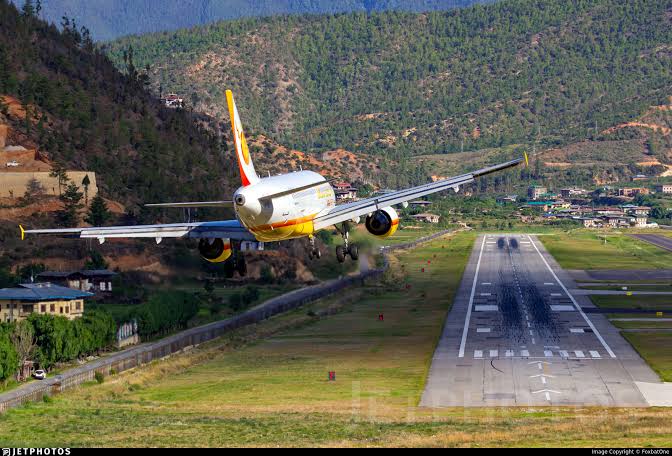
Welcome to Bhutan! On arrival at Paro International Airport, your guide will meet you and drive you to Thimphu, about an hour away. Take the day at a relaxed pace and settle into your surroundings. After checking into your hotel and having your first meal in Bhutan, we’ll explore Thimphu based on your interests. You can visit places such as the National Memorial Chorten, Thimphu Dzong, Takin Preserve, Farmers Market, Traditional Medicine Institute, School of Buddhist Astrology, and Crafts Market. In the evening, take a walk around Thimphu Town and enjoy dinner at a local restaurant. If you’re up for it, we can also explore some of the city’s nightlife and try a local beer or whiskey.
After breakfast, we’ll head towards Punakha, driving through the scenic Dochula Pass. Before leaving Thimphu, we’ll stop at Buddha Dordenma, the impressive 169-foot bronze Buddha statue overlooking the valley. At Dochula, you’ll see the famous 108 chortens built by the Queen Mother, Ashi Dorji Wangmo Wangchuck, in memory of those who lost their lives during the 2003 conflict. As we make our way to Punakha, you can also choose to enjoy a short nature hike if you’re up for it. Later, we’ll visit Chhimi Lhakhang, the temple of the revered “Divine Madman,” Drukpa Kuenley. A short walk through the village and rice fields takes us to the temple, which is traditionally visited by couples seeking blessings for fertility.
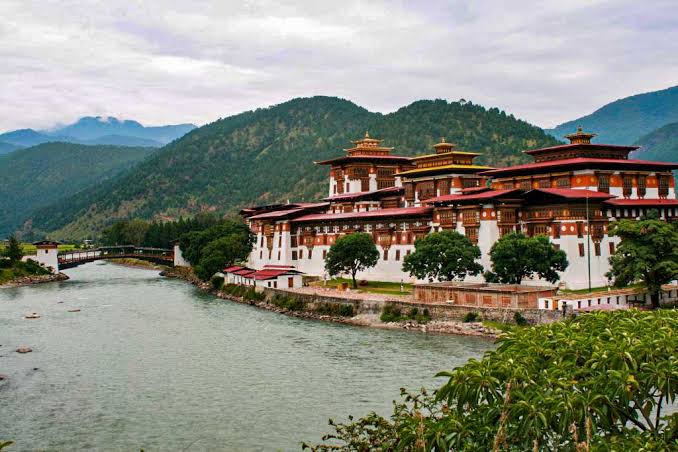
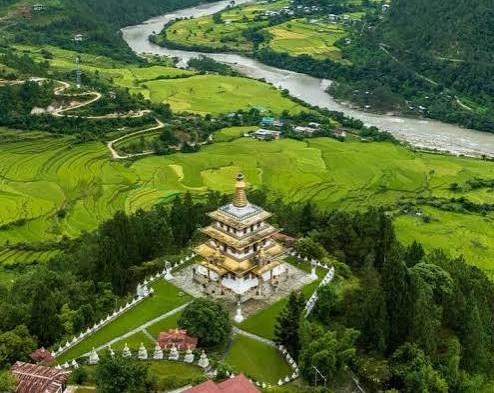
Take a short hike to "Khamsum Yulley Namgyal Chorten", a beautiful example of Bhutanese architecture and religious art. The chorten took over eight years to build, with its intricate design based on Buddhist scriptures. Afterwards, visit the magnificent **Punakha Dzong** and the nearby suspension bridge. Sitting between two rivers, the dzong is one of Bhutan’s most impressive landmarks and the winter residence of the central monastic body. For lunch, you can choose to eat at a local farmhouse and, if interested, experience a few traditional farm activities. For those who enjoy a longer adventure, we can instead do the "Jiligang Day Hike", a roughly five-hour hike from near Punakha Dzong to the base of Khamsum Chorten, ending with a visit to the chorten.
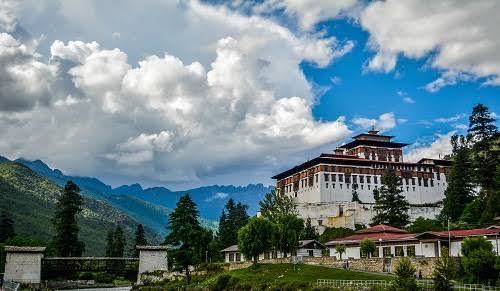
Today we’ll drive back to Paro, passing through Thimphu. The journey takes around two hours to Thimphu and another hour to Paro. Once in Paro, we’ll explore the beautiful valley, home to some of Bhutan’s oldest temples and monasteries. We can visit "Paro Dzong (Rinpung Dzong)", a magnificent 15th-century fortress overlooking the valley, and "Drukgyal Dzong", the historic ruins built in 1647 by Zhabdrung Ngawang Namgyal. With its mountain views, traditional villages, and historic sites, Paro offers a relaxed introduction to Bhutan’s rich history and culture.
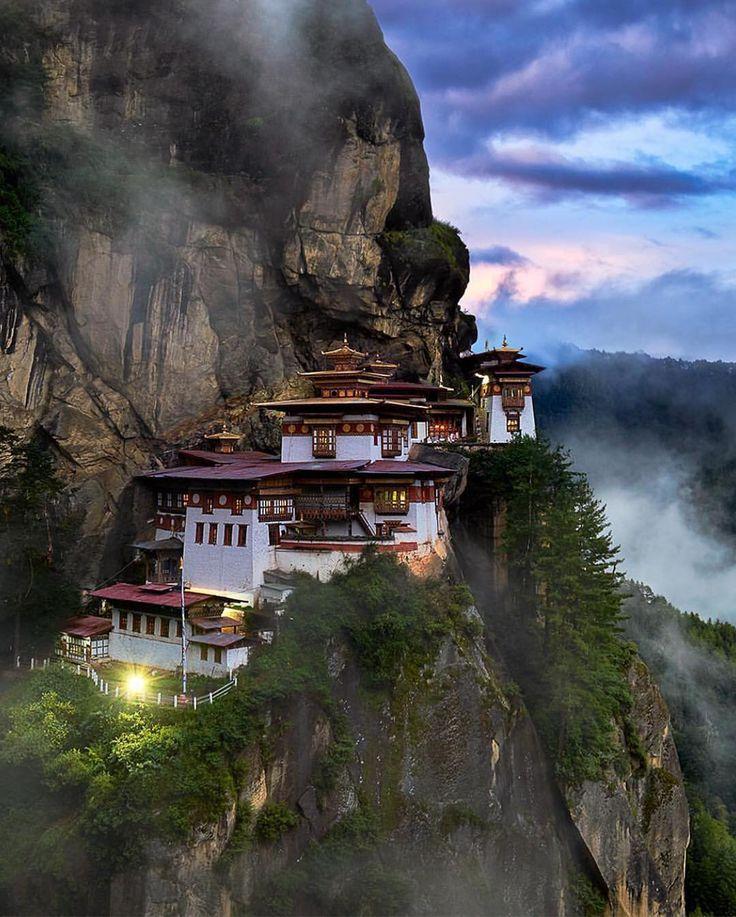
Today, we’ll hike up to one of Bhutan’s most iconic landmarks — 'Tiger’s Nest (Taktsang Monastery)'. The hike takes about an hour to reach the cafeteria, where you’ll get a beautiful view of the monastery perched on the cliffside. According to legend, Guru Padmasambhava arrived here on the back of a tigress in the 8th century. After a local lunch, we’ll visit 'Kyichu Lhakhang', one of the oldest temples in Bhutan, before returning to Paro.
Moments
Good to Know
There are 19 languages spoken in Bhutan, but the national language is Dzongkha. English is used throughout Bhutan’s education system, so it is widely used and understood.
Bhutan is a year-round destination. There are four seasons: summer (June to August), autumn (September to November), winter (December to February) and spring (March to May). But because of the range of altitudes in the country, and the influence of the north Indian monsoons, the climate is incredibly varied. In the south, the humid, subtropical climate is fairly consistent year-round, with temperatures between 15oC and 30oC. Central Bhutan, with its temperate forests, has a more seasonal climate, with warm summers and cool, dry winters. The northern regions are much colder during winter. Because of the high altitude, mountain peaks are snowy year-round and the lower reaches remain cool in summer. In summer, the Indian monsoon season runs from late June or July to late September, mostly affecting the southern regions. Most farming activities take place in the summer, when crops thrive in verdant landscapes. Autumn, from late September or early October to late November, follows the rainy season. It is characterised by bright, sunny days and some early snowfall at higher elevations. It’s the season of feasts and festivals as farmers reap the fruits of their work. From late November until March, the crisp, clear and sunny winter sets in, with frost throughout much of the country and snowfall common above elevations of 3,000 metres. The winter northeast monsoon brings gale-force winds at the highest altitudes through high mountain passes, giving Bhutan the name Drukyul, which means Land of the Thunder Dragon in Dzongkha (Bhutan’s national language). Bhutan’s generally dry spring starts in early March and lasts until mid-April. It is a botanist’s delight, with nature in full bloom. Summer weather commences in mid-April with occasional showers and continues to late June.
For telephone calls, Bhutan’s country code is +975. Make sure you add this to the beginning of any number if calling Bhutan from abroad.
Keep Exploring


