
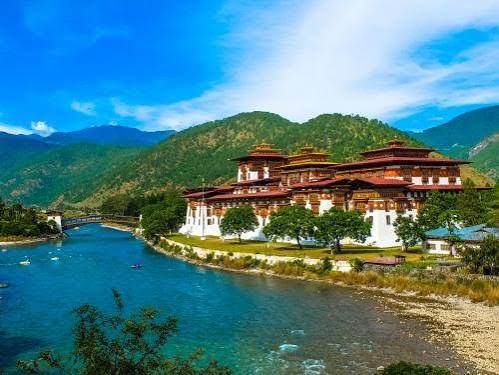
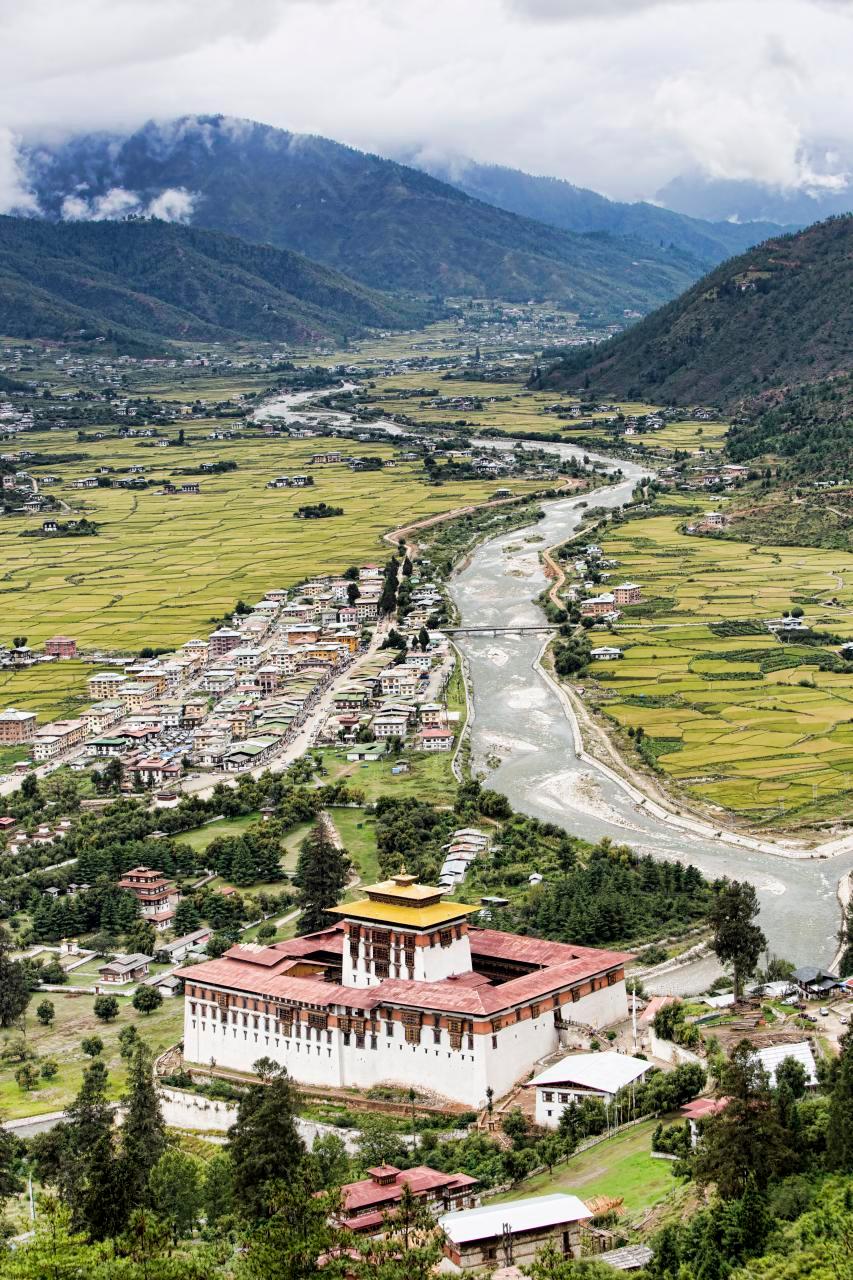
Where the Pho Chhu and Mo Chhu rivers meet.
Punakha Dzong stands surrounded by mountains and greenery. Its beautiful architecture, peaceful setting, and rich history make it one of the most memorable places to visit in Bhutan.


The Bhutan Discovery is a 7-day journey through some of Bhutan’s most beautiful landscapes, cultural sites, and sacred landmarks. From the peaceful valleys of Paro to the lively streets of Thimphu, you’ll experience the places and traditions that make Bhutan unique. Visit Buddha Point and the Memorial Chorten in Thimphu, take in the peaceful beauty of Phobjikha Valley and Gangtey Monastery, and explore the impressive Punakha Dzong and Chimi Lhakhang. You’ll also hike to Khamsum Yulley Namgyal Chorten for beautiful views across the valley. The journey ends in Paro with a hike to the iconic Tiger’s Nest Monastery. Along the way, there’s time to experience Bhutan at a comfortable pace, discover its culture, and enjoy the landscapes that make the country so special.
Punakha Dzong stands surrounded by mountains and greenery. Its beautiful architecture, peaceful setting, and rich history make it one of the most memorable places to visit in Bhutan.
offers sweeping panoramic views of the Himalayas and the 108 chortens (stupas) that make it a serene and picturesque stop.
Day by Day
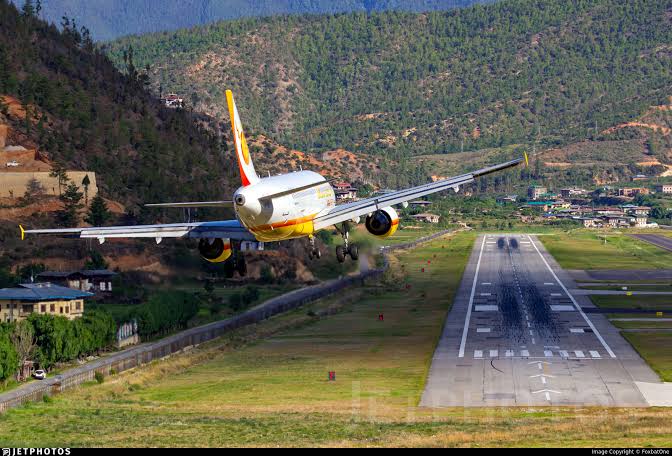
After landing at Paro International Airport, enjoy breathtaking views of the Himalayas before meeting our representative at the airport. From there, travel to Thimphu, Bhutan’s capital city, and begin your journey. Along the way, visit "Tamchoe Lhakhang", a historic temple associated with the renowned Tibetan Buddhist master Thangtong Gyalpo. Take some time to explore the temple and its peaceful surroundings before continuing to Thimphu. Overnight:Hotel in Thimphu
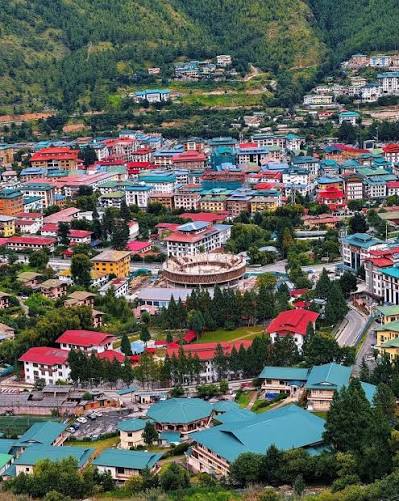
Spend the morning exploring Thimphu, starting with the "Memorial Chorten" and "Buddha Point", where you can enjoy panoramic views of the valley. Continue to the "Arts and Crafts School", "Sangaygang Viewpoint", and the "Takin Preserve" to learn more about Bhutanese culture, traditions, and wildlife. After lunch, visit the "National Library"and "Folk Heritage Museum" before exploring the impressive "Tashichho Dzong", an important centre of Bhutan’s government and monastic life. End the day with a stroll through Thimphu town, taking in the local shops, streets, and everyday life of Bhutan’s unique capital. Overnight: Hotel in Thimphu
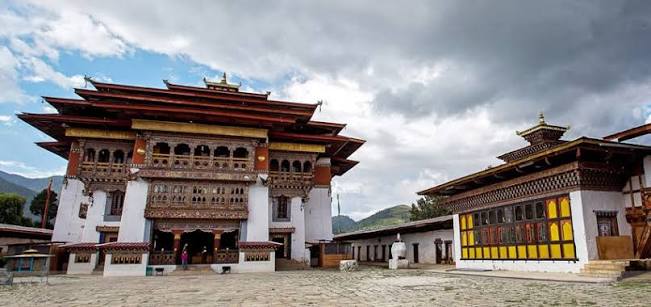
Travel to the beautiful "Phobjikha Valley", known for its peaceful landscapes, open meadows, and rich wildlife. Visit the "Black-necked Crane Information Centre" to learn about these special birds and Bhutan’s conservation efforts. Continue to "Gangtey Monastery", an important spiritual site overlooking the valley, before taking a peaceful walk along the "Gangtey Nature Trail", Take your time to enjoy the scenery, fresh mountain air, and quiet beauty of the valley. Overnight: Hotel in Phobjikha
Travel to Punakha, stopping along the way at "Chimi Lhakhang", a 15th-century temple associated with Lama Drukpa Kunley, the “Divine Madman.” Enjoy a short walk through rice fields and local villages before visiting the temple. After lunch, continue to Punakha and visit the magnificent "Punakha Dzong", beautifully located at the confluence of the Pho Chhu and Mo Chhu rivers. Overnight: Hotel in Punakha
We will begin our journey back to Paro, a drive of approximately four hours. Before departing, we’ll take a scenic hike up to Khamsum Yulley Namgyal Chorten, a stunning hilltop monastery built to bring peace and harmony to the kingdom. This chorten, commissioned by the Queen Mother, features intricate Bhutanese art and is adorned with elaborate murals and golden spires. The hike to the top takes you through beautiful rice terraces, and from the summit, you’ll be rewarded with panoramic views of the Punakha Valley, making this a truly special and serene experience. Overnight at Hotel
Moments
Good to Know
There are 19 languages spoken in Bhutan, but the national language is Dzongkha. English is used throughout Bhutan’s education system, so it is widely used and understood.
Bhutan is a year-round destination. There are four seasons: summer (June to August), autumn (September to November), winter (December to February) and spring (March to May). But because of the range of altitudes in the country, and the influence of the north Indian monsoons, the climate is incredibly varied. In the south, the humid, subtropical climate is fairly consistent year-round, with temperatures between 15oC and 30oC. Central Bhutan, with its temperate forests, has a more seasonal climate, with warm summers and cool, dry winters. The northern regions are much colder during winter. Because of the high altitude, mountain peaks are snowy year-round and the lower reaches remain cool in summer. In summer, the Indian monsoon season runs from late June or July to late September, mostly affecting the southern regions. Most farming activities take place in the summer, when crops thrive in verdant landscapes. Autumn, from late September or early October to late November, follows the rainy season. It is characterised by bright, sunny days and some early snowfall at higher elevations. It’s the season of feasts and festivals as farmers reap the fruits of their work. From late November until March, the crisp, clear and sunny winter sets in, with frost throughout much of the country and snowfall common above elevations of 3,000 metres. The winter northeast monsoon brings gale-force winds at the highest altitudes through high mountain passes, giving Bhutan the name Drukyul, which means Land of the Thunder Dragon in Dzongkha (Bhutan’s national language). Bhutan’s generally dry spring starts in early March and lasts until mid-April. It is a botanist’s delight, with nature in full bloom. Summer weather commences in mid-April with occasional showers and continues to late June.
For telephone calls, Bhutan’s country code is +975. Make sure you add this to the beginning of any number if calling Bhutan from abroad.
Keep Exploring


