
Experience the vibrant Gomkora Festival,
a sacred celebration of Bhutanese Buddhist traditions.

Experience the spiritual heart of Eastern Bhutan at the annual Gomkora Festival, a sacred celebration that brings together local communities and pilgrims from neighbouring Arunachal Pradesh in India. Dressed in their finest traditional attire, pilgrims gather at the sacred Gom Kora site to pray, make offerings and perform the kora (circumambulation) around the temple and sacred site. The festival honours Guru Rinpoche (Padmasambhava), who is believed to have meditated at this sacred location. The name Gom Kora refers to the meditation cave associated with Guru Rinpoche. One of the most revered features of the site is the sacred rock bearing the impression of Guru Rinpoche, adding to the spiritual significance of this annual Bhutanese festival. The Gomkora Festival offers visitors an opportunity to witness Bhutanese Buddhist traditions, local customs and the vibrant spiritual life of Eastern Bhutan in an authentic setting.
a sacred celebration of Bhutanese Buddhist traditions.
sacred monasteries, villages and scenic landscapes.
perched dramatically on a cliffside.
ncluding Dochula Pass, Punakha Dzong, Tashichhodzong and Chimi Lhakhang.
Day by Day
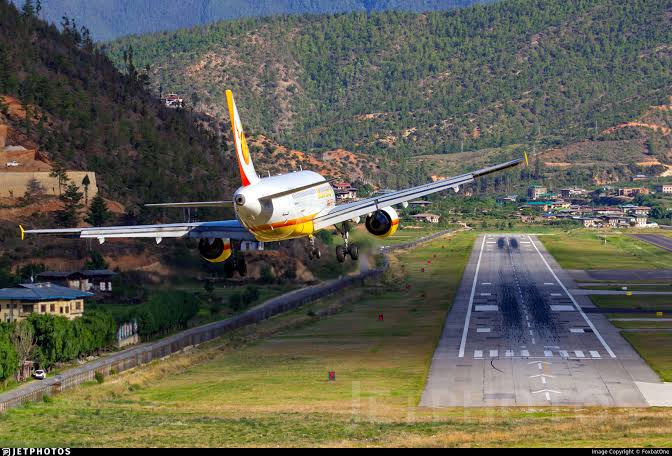
Fly into Paro with spectacular views of the Himalayan peaks. On arrival, meet your guide and begin your Bhutan journey with visits to Paro Dzong, the National Museum, and Kyichu Lhakhang, one of Bhutan’s oldest temples. Cross the traditional wooden bridge to Paro Dzong before exploring its historic surroundings and the museum’s collection of Bhutanese art and religious treasures. Later, drive to Thimphu, Bhutan’s capital, and check into your hotel for the night. Overnight: Thimphu
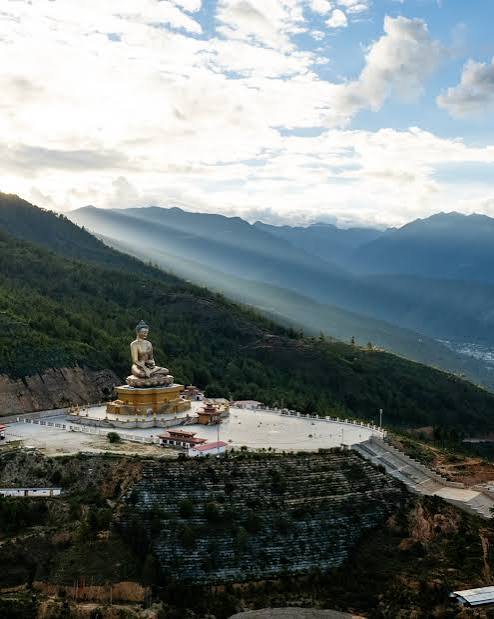
After breakfast, explore Thimphu’s cultural and historical highlights, including the Memorial Chorten, Buddha Dordenma, and Changangkha Lhakhang. Enjoy panoramic views of the Thimphu Valley before visiting the Motithang Takin Preserve, home to Bhutan’s national animal. Continue to the National Library, Institute of Zorig Chusum (Traditional Arts and Crafts), and a traditional paper factory to discover Bhutanese heritage and craftsmanship. In the afternoon, visit the National Institute of Traditional Medicine and the majestic Tashichho Dzong, the seat of Bhutan’s government and religious institutions. Overnight: Thimphu
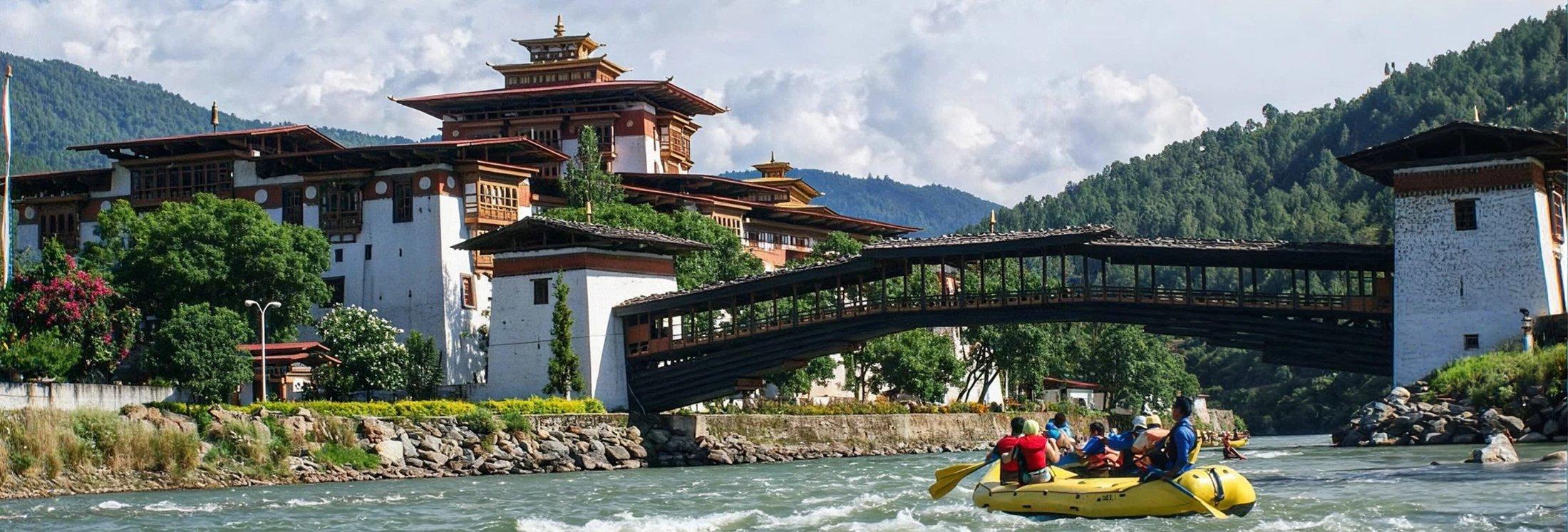
Drive across Dochula Pass (3,100m), where clear weather offers spectacular views of the Himalayan peaks, before descending into the warm and scenic Punakha Valley. After lunch, visit the magnificent Punakha Dzong, the former capital of Bhutan and one of the country’s most impressive landmarks. Continue with a scenic walk through rice fields and across a river to Khamsum Yulley Namgyal Chorten, beautifully situated on a hilltop overlooking the valley. Later, visit Metshina Village and walk through the rice fields to Chimi Lhakhang, the famous fertility temple associated with Bhutanese Buddhist traditions. Overnight: Punakha
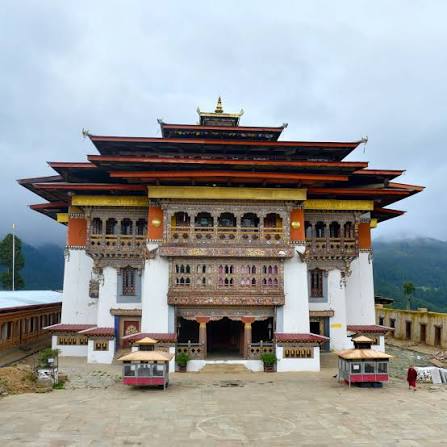
After breakfast, drive towards Gangtey and Phobjikha Valley, stopping en route at Wangdue Dzong, dramatically located at the confluence of the Mo Chu and Tang Chu rivers. Continue through dense forests of oak and rhododendron to Gangtey, where you will visit the historic Gangtey Monastery, the only Nyingmapa monastery in western Bhutan. Take in panoramic views of the Black Mountain range and Phobjikha Valley, a peaceful winter habitat for the rare black-necked cranes, which migrate here from the Tibetan Plateau. You may also enjoy a short one-hour hike through the scenic valley before settling into your hotel. Overnight: Gangtey
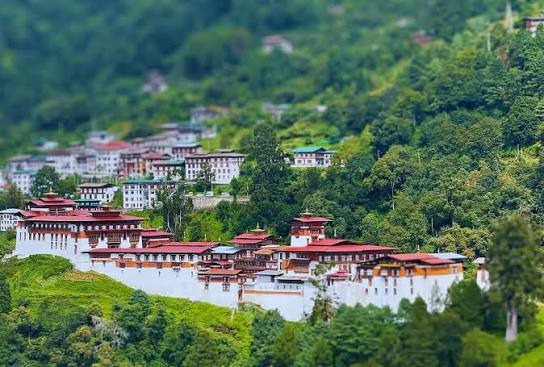
After an early breakfast, drive towards Bumthang, stopping at the impressive Trongsa Dzong, the ancestral home of Bhutan’s royal family and the seat of the first two hereditary kings. Continue across Yotongla Pass (3,400m) and through the scenic Chumey Valley, where you can visit a local wool project and observe traditional weaving techniques. Browse locally made yak-wool rugs, scarves, and Bhutanese textiles before continuing through the mountain landscape towards Bumthang, widely regarded as the cultural heartland of Bhutan. Overnight: Bumthang
Good to Know
There are 19 languages spoken in Bhutan, but the national language is Dzongkha. English is used throughout Bhutan’s education system, so it is widely used and understood.
Bhutan is a year-round destination. There are four seasons: summer (June to August), autumn (September to November), winter (December to February) and spring (March to May). But because of the range of altitudes in the country, and the influence of the north Indian monsoons, the climate is incredibly varied. In the south, the humid, subtropical climate is fairly consistent year-round, with temperatures between 15oC and 30oC. Central Bhutan, with its temperate forests, has a more seasonal climate, with warm summers and cool, dry winters. The northern regions are much colder during winter. Because of the high altitude, mountain peaks are snowy year-round and the lower reaches remain cool in summer. In summer, the Indian monsoon season runs from late June or July to late September, mostly affecting the southern regions. Most farming activities take place in the summer, when crops thrive in verdant landscapes. Autumn, from late September or early October to late November, follows the rainy season. It is characterised by bright, sunny days and some early snowfall at higher elevations. It’s the season of feasts and festivals as farmers reap the fruits of their work. From late November until March, the crisp, clear and sunny winter sets in, with frost throughout much of the country and snowfall common above elevations of 3,000 metres. The winter northeast monsoon brings gale-force winds at the highest altitudes through high mountain passes, giving Bhutan the name Drukyul, which means Land of the Thunder Dragon in Dzongkha (Bhutan’s national language). Bhutan’s generally dry spring starts in early March and lasts until mid-April. It is a botanist’s delight, with nature in full bloom. Summer weather commences in mid-April with occasional showers and continues to late June.
For telephone calls, Bhutan’s country code is +975. Make sure you add this to the beginning of any number if calling Bhutan from abroad.
Keep Exploring


