
Paro Tshechu Experience
Witness vibrant sacred mask dances and capture the festival’s unforgettable moments.


Experience the vibrant spirit of Bhutan during the annual Paro Tshechu, one of the kingdom’s most cherished spring festivals. Witness monks and laypeople perform sacred masked dances in elaborate traditional costumes, offering a glimpse into Bhutan’s rich spiritual and cultural heritage. The festival’s most significant moment comes with the unveiling of the giant sacred Thongdrel on the final day, a deeply revered blessing believed to bring merit and good fortune to those who witness it. Set against the beauty of Bhutan’s pleasant spring season, this journey offers a rare opportunity to experience the kingdom’s living traditions at their most vibrant.
Witness vibrant sacred mask dances and capture the festival’s unforgettable moments.
Explore historic Buddhist monasteries, ancient dzongs, and Bhutan’s enduring spiritual traditions.
Visit traditional villages and connect with the warmth and rhythms of rural Bhutan.
Hike to the legendary Tiger’s Nest Monastery and unwind with a traditional Bhutanese hot stone bath.
Day by Day
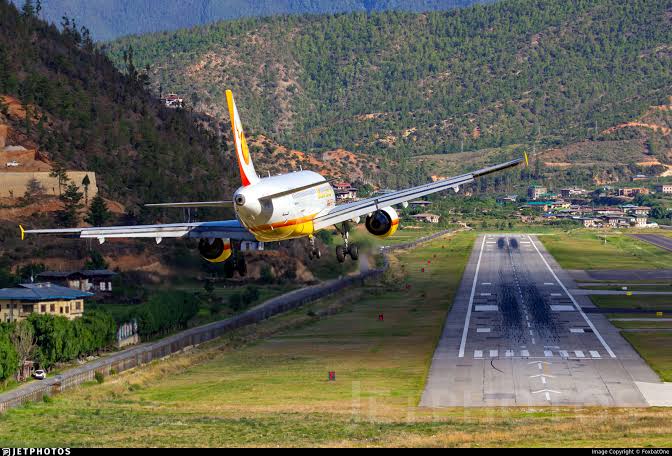
Your journey begins with a spectacular flight into Paro, offering breathtaking views of the Himalayas and some of the world’s highest peaks. After lunch, explore Paro with a visit to the Ta Dzong Museum, followed by Kyichu Lhakhang, one of Bhutan’s oldest and most sacred temples, dating back to the 7th century. Before dinner, your guide will introduce you to Bhutanese customs and etiquette, helping you settle into the culture from the very beginning of your journey. Overnight: Hotel in Paro
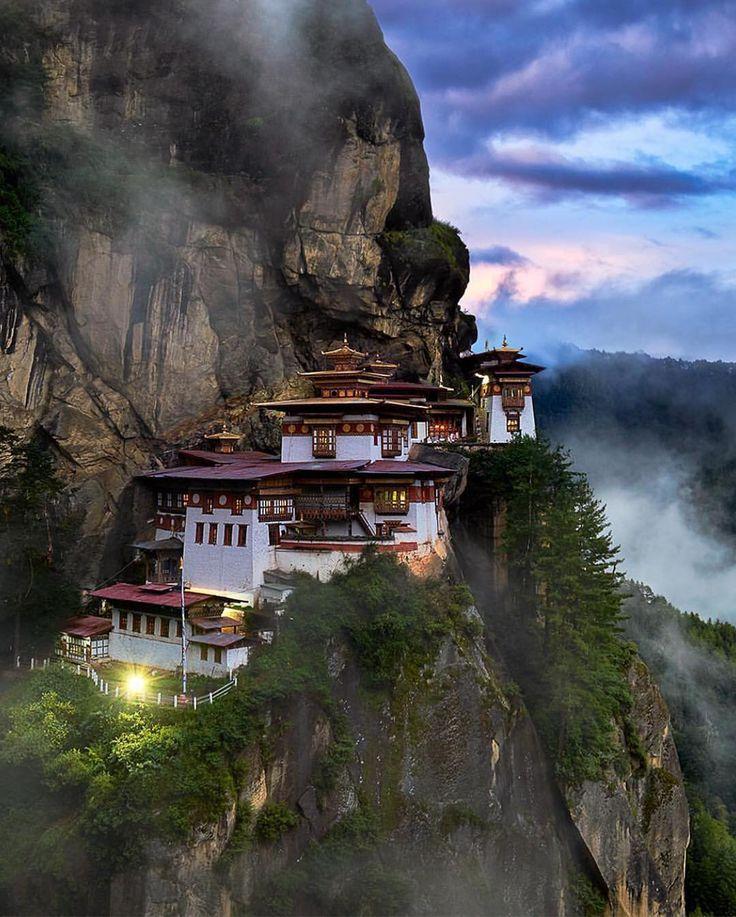
After breakfast, embark on a memorable hike to Taktsang Monastery (Tiger’s Nest), perched dramatically on the cliffs above Paro Valley. The ascent takes approximately 1.5–2 hours, with stunning views along the way. For guests who prefer not to hike the full route, a horse can be arranged up to the cafeteria. In the afternoon, immerse yourself in the vibrant Paro Tshechu Festival. Witness locals dressed in their finest traditional attire gathering from across the valley to enjoy sacred masked dances, prayers, and festive celebrations. Overnight: Hotel in Paro
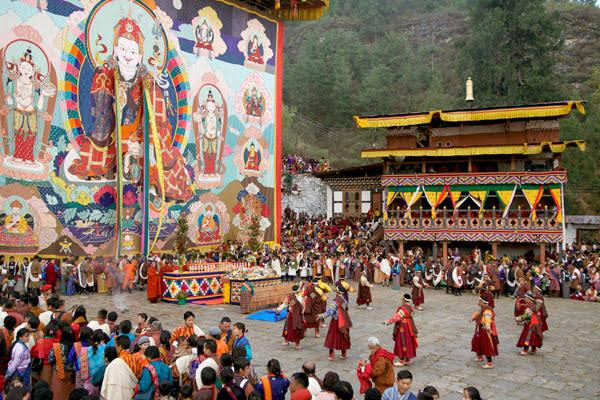
Wake up very early at 2.30 am and drive to Paro Dzong to witness the thongdroel ceremony where a large religious painting of Guru Rinpoche made of cloth is unfurled on the side of the Dzong. You can stop on the way to take in the magnificent Tamchhog Lhakhang, the hereditary place of worship for Bhutan’s iron bridge builder.
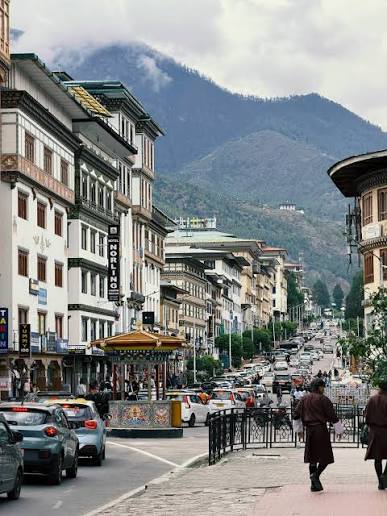
After breakfast, travel to Thimphu and enjoy a full day exploring the capital’s cultural and spiritual landmarks. Visit the National Memorial Chorten, Changangkha Temple, and Zilukha Nunnery, followed by the National Library, home to an extensive collection of Bhutanese scriptures and ancient texts. Overnight: Hotel in Thimphu
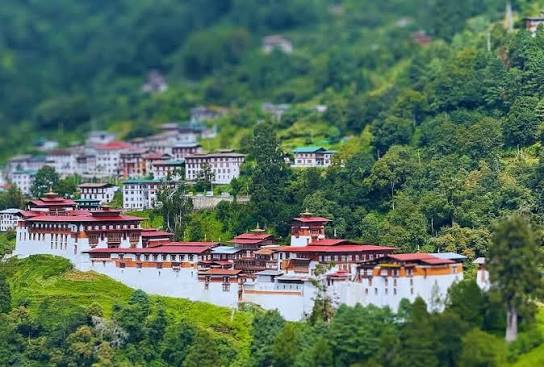
After breakfast, embark on a scenic drive from Thimphu to Trongsa, taking approximately 7–8 hours. Cross the Dochula Pass (3,100m) and Pele La Pass (3,420m) across the Black Mountain range, with changing landscapes and panoramic mountain views along the way. En route, stop at the beautiful Chendebji Chorten, a traditional stupa surrounded by peaceful mountain scenery. Continue to Trongsa, the ancestral home of Bhutan’s ruling dynasty and a town steeped in royal history. Overnight: Hotel in Trongsa
Moments
Good to Know
There are 19 languages spoken in Bhutan, but the national language is Dzongkha. English is used throughout Bhutan’s education system, so it is widely used and understood.
Bhutan is a year-round destination. There are four seasons: summer (June to August), autumn (September to November), winter (December to February) and spring (March to May). But because of the range of altitudes in the country, and the influence of the north Indian monsoons, the climate is incredibly varied. In the south, the humid, subtropical climate is fairly consistent year-round, with temperatures between 15oC and 30oC. Central Bhutan, with its temperate forests, has a more seasonal climate, with warm summers and cool, dry winters. The northern regions are much colder during winter. Because of the high altitude, mountain peaks are snowy year-round and the lower reaches remain cool in summer. In summer, the Indian monsoon season runs from late June or July to late September, mostly affecting the southern regions. Most farming activities take place in the summer, when crops thrive in verdant landscapes. Autumn, from late September or early October to late November, follows the rainy season. It is characterised by bright, sunny days and some early snowfall at higher elevations. It’s the season of feasts and festivals as farmers reap the fruits of their work. From late November until March, the crisp, clear and sunny winter sets in, with frost throughout much of the country and snowfall common above elevations of 3,000 metres. The winter northeast monsoon brings gale-force winds at the highest altitudes through high mountain passes, giving Bhutan the name Drukyul, which means Land of the Thunder Dragon in Dzongkha (Bhutan’s national language). Bhutan’s generally dry spring starts in early March and lasts until mid-April. It is a botanist’s delight, with nature in full bloom. Summer weather commences in mid-April with occasional showers and continues to late June.
For telephone calls, Bhutan’s country code is +975. Make sure you add this to the beginning of any number if calling Bhutan from abroad.
Keep Exploring


